Choosing the wrong vinyl can push up production costs, create installation headaches, and leave you with signage that falls short on lifespan or visual impact. For businesses across the signage industry, sign vinyl and printable vinyl are both widely used materials, yet they serve quite different purposes and perform best in very different situations.
Common challenges businesses run into include:
- Getting the material selection right for the actual signage application at hand.
- Keeping design flexibility without letting production efficiency take a hit.
- Sourcing materials that will hold up over the intended lifespan of the sign.
- Keeping reprints, wasted stock, and additional labour time to a minimum.
For businesses sourcing signmaking supplies in Australia, a solid understanding of these two materials before any project begins can save real time and money down the track. Bi-Wize has been supporting the Australian sign and print industry for over five decades, supplying a broad range of materials to sign makers, printers, and businesses who need professional, lasting results. This guide covers the practical differences between sign vinyl vs printable vinyl so you can go into your next project with the right material already confirmed.
The right call when comparing sign vinyl vs printable vinyl comes down to three things: how complex the design is, where the sign will be installed, and what the project is trying to achieve.
- Sign vinyl suits lettering, logos, simple graphics, and signage that needs to last.
- Printable vinyl works better for photographs, gradients, multi-colour graphics, and detailed branding elements.
Experienced professional sign-making suppliers like Bi-Wize offer the best quality supplies in Australia.
- Sign vinyl suits lettering, logos, simple graphics, and signage that needs to last.
- Printable vinyl works better for photographs, gradients, multi-colour graphics, and detailed branding elements.
- Experienced professional sign-making suppliers like Bi-Wize offer the best quality supplies in Australia.
What Is the Difference Between Sign Vinyl and Printable Vinyl?
The primary difference comes down to how the graphics are produced.
Sign Vinyl
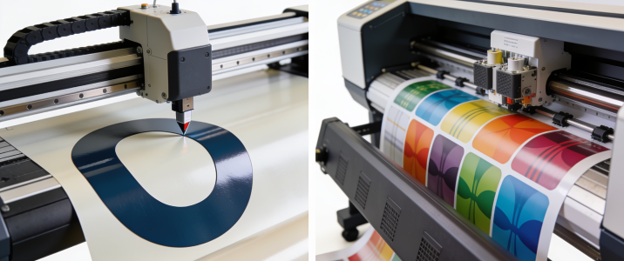
Sign vinyl comes in pre-coloured sheets and rolls. A vinyl cutter or plotter is used to cut out the required shapes, lettering, or logos, after which the unwanted material is weeded away and the design is transferred to the application surface.
- Shopfront lettering
- Office signage
- Vehicle lettering
- Window graphics
- Directional signs
- Safety signage
Printable Vinyl
Printable vinyl is built to accept digitally printed artwork. Using large-format printers, detailed images, gradients, photographs, and branding can all be applied directly to the vinyl surface with a high degree of colour accuracy.
- Vehicle wraps
- Promotional signage
- Retail campaigns
- Exhibition displays
- Event graphics
- Wall murals
Getting familiar with how each method works is a sensible first step when working out whether cut vinyl vs print vinyl suits your particular project.
Sign Vinyl vs Printable Vinyl: Comparison Table
| Feature | Sign Vinyl | Printable Vinyl |
|---|---|---|
| Production Method | Plotter Cut | Digitally Printed |
| Best For | Text, Logos, Lettering | Photos, Gradients, Detailed Graphics |
| Colour Options | Pre-Coloured Vinyl | Unlimited Colour Printing |
| Installation | Faster | May Require Lamination |
| Design Complexity | Simple to Moderate | High |
| Cost for Simple Designs | Lower | Higher |
| Cost for Complex Graphics | Higher | Lower |
| Durability | Excellent | Excellent with Lamination |
| Vehicle Graphics | Lettering and Decals | Full Wraps and Branding |
| Branding Flexibility | Moderate | High |
Find The Best Vinyl For Your Next Signage Project
When Does Cut Vinyl Make More Sense Than Printed Vinyl?
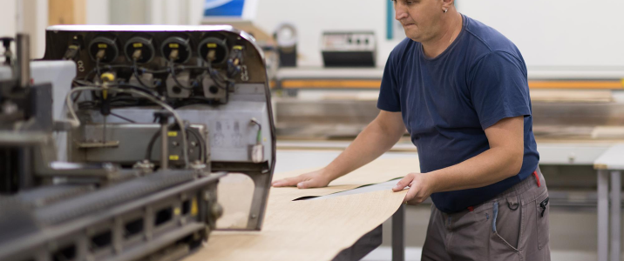
The conversation around cut vinyl vs. print vinyl tends to come back to one thing: design simplicity.
Sign vinyl is usually the stronger choice when the design contains:
- Simple logos
- Business names
- Opening hours
- Directional information
- Safety messages
- One or two solid colours
Because the material already carries the colour, there is no need for printing at all. The result is a clean, professional finish with sharp edges and consistent colour throughout.
Benefits of Sign Vinyl
- Faster production for simple designs
- Long-lasting colour stability
- Professional finish
- Lower production costs for text-based signage
- Suitable for indoor and outdoor applications
One factor that quite often gets overlooked is viewing distance. Large outdoor signs seen from a distance may not need complex printed graphics, which makes sign vinyl a practical and cost-effective solution for those applications.
When Should Printable Vinyl Be Used Instead?
Printable vinyl becomes the better option when a project calls for genuine visual complexity.
If the design includes:
- Photographs
- Colour gradients
- Detailed branding
- Product imagery
- Multiple colours
- High-resolution graphics
Benefits of Printable Vinyl
- Unlimited colour reproduction
- Accurate brand colour matching
- Photographic image quality
- Suitable for customised campaigns
- Ideal for vehicle wraps and retail promotions
Projects such as vehicle graphics, promotional displays, retail campaigns, and event signage quite often rely on printable vinyl because reproducing those visuals through cut vinyl would be time-consuming and far more costly to produce.
Why Professional Sign Makers Often Use Both Materials
One common misconception is that sign makers need to commit to one material and stick with it. In practice, many professional signage projects draw on both products to get the best result.
Some typical examples:
- Printed backgrounds with cut vinyl lettering laid over the top.
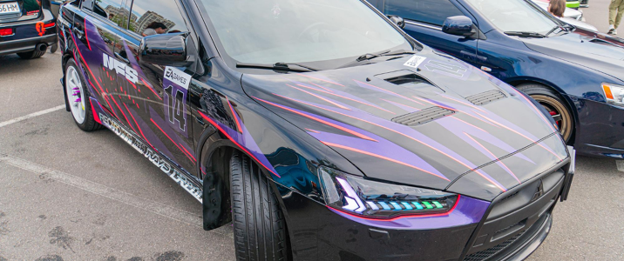
- Vehicle graphics using printed wraps with cut overlays for detail work.
- Shopfront signage that brings together logo work and promotional graphics.
- Retail displays built across multiple vinyl technologies.
Pairing both materials gives sign makers more control over the final look while keeping the production side of things manageable.
How Do Durability and Maintenance Compare?
Good material selection and proper installation go a long way towards getting longevity out of both sign vinyl and printable vinyl. That said, durability is shaped by several factors working together, including:
- UV exposure
- Weather conditions
- Surface preparation
- Installation quality
- Vinyl grade
- Maintenance practices
Sign Vinyl Durability
Premium sign vinyl products are built for long-term outdoor exposure and quite often deliver exceptional colour stability across the life of the sign.
Printable Vinyl Durability
Printable vinyl can also perform well outdoors, particularly when paired with a quality protective laminate that shields the printed surface from the elements
The more important consideration is selecting materials that suit the installation environment rather than focusing purely on whether the vinyl is printed or cut.
Choosing Vinyl for Australian Conditions
Businesses sourcing vinyl for signs in Australia should factor in local environmental conditions before settling on materials. Australian signage regularly has to hold up against some fairly demanding conditions:
- Intense UV exposure
- Coastal salt air
- Heavy rainfall
- High temperatures
- Seasonal weather fluctuations
For outdoor applications that face the full force of those conditions, premium polymeric and cast vinyl products tend to be the more reliable choice, offering stronger durability and better dimensional stability across the life of the sign. Matching the material to the local environment is one of the more straightforward ways to protect a signage investment over time.
What Should You Consider Before Choosing Vinyl?
Getting the material right comes down to understanding what the project actually demands. A few questions worth thinking through before purchasing:
- Is the sign temporary or permanent?
- Will it go up indoors or outdoors?
- How complex is the design?
- Does the artwork include photographs?
- How important is colour accuracy to the finished result?
- Will the graphics need to be updated down the track?
- What budget is available?
- How long does the sign need to last?
Businesses sourcing signmaking supplies in Australia tend to come out ahead when they think about the full lifespan of the sign, rather than focusing purely on what it costs to produce. Taking a considered approach to material selection can keep maintenance needs lower and deliver better value over time.
How Material Selection Impacts Production Efficiency
Material choice influences more than just how a sign looks. It can have a direct bearing on:
- Production speed
- Installation time
- Labour requirements
- Waste reduction
- Project profitability
Large quantities of identical lettering, for example, can quite often be produced more efficiently using sign vinyl. Highly customised campaigns with frequently changing graphics are typically better suited to printable vinyl. Experienced suppliers can help work through these production considerations before manufacturing begins, and proper planning tends to reduce costs while improving overall project outcomes.
Choose Signmaking Materials Designed For Lasting Performance
Conclusion
The decision between sign vinyl vs printable vinyl comes down entirely to what the project calls for. Sign vinyl holds up well for lettering, logos, and day-to-day signage applications. Printable vinyl opens up considerably more flexibility for detailed graphics, branding work, and promotional displays.
There is no single material that wins across every situation. The right choice is the one that lines up with the design brief, the installation environment, the production process, and what the signage needs to achieve over time.
For businesses sourcingsign making supplies in Australia , pairing with a supplier who genuinely understands the industry takes much of the guesswork out of material selection. As a trusted supplier of the best sign vinyl in Melbourne, Bi-Wize has been backing sign makers, printers, and businesses with quality stock and practical industry knowledge for more than fifty years.
FAQs
Which Lasts Longer, Sign Vinyl or Printable Vinyl?
Both hold up well when the installation is done properly. How long a sign lasts depends far more on the grade of material, how much environmental exposure it faces, and how it is maintained over time
Is Printable Vinyl More Expensive Than Sign Vinyl?
It depends on the project. For complex graphics involving multiple colours, printable vinyl can work out more economical. For text-heavy or simple logo work, sign vinyl is quite often the more cost-efficient path.
Can Sign Vinyl Be Used on Vehicles?
Yes, and it is used regularly for lettering, decals, and straightforward branding on vehicles. Where a full coverage wrap is needed, printable vinyl tends to be the better fit.
What Is the Best Vinyl for Shopfront Signage?
That depends on what the sign needs to show. Cut vinyl handles business names and trading hours well, while printable vinyl is the stronger choice for promotional graphics and more detailed branding.
Does Vinyl Thickness Affect Sign Performance?
It does, and more than people expect. How thick the vinyl is shapes the way it handles on the way to installation, how well it sits against uneven or curved surfaces, and how it performs over its working life. Getting that right comes down to the specific job and where the finished sign will end up.
Can Different Vinyl Types Be Combined in One Project?
Yes, and experienced sign makers do it regularly. Bringing printable vinyl and sign vinyl together in one project is a practical way to get the visual result you want without compromising on how efficiently the job gets done..
How Does Surface Preparation Affect Vinyl Adhesion?
It makes a significant difference. Any dust, grease, oil, or moisture left on the surface before application can reduce how well the vinyl bonds, and that tends to shorten the life of the sign considerably.
Are Indoor and Outdoor Vinyl Requirements Different?
Yes. Signage installed outdoors needs to handle UV exposure, moisture, temperature shifts, and general weather conditions. Indoor applications carry far fewer demands, so the material specifications can be quite different between the two.