Choosing the wrong vinyl costs more than money. Shrinking films, lifting edges, fading graphics, and early failure all trace back to one decision made before the job even starts.
That one decision is vinyl-type. This is crucial because:
- Low-grade vinyl loses shape and lifts edges over time.
- Surface type affects how well adhesion holds under pressure.
- Environmental exposure breaks down the wrong film fast.
Bi-Wize has been a trusted name in the industry since 1969 and businesses rely on us to get the best quality sign vinyl in Australia. We have witnessed firsthand how the wrong film choice leads to early failure. This blog explains how cast, polymeric, and monomeric vinyl each perform and where each one works best across real applications.
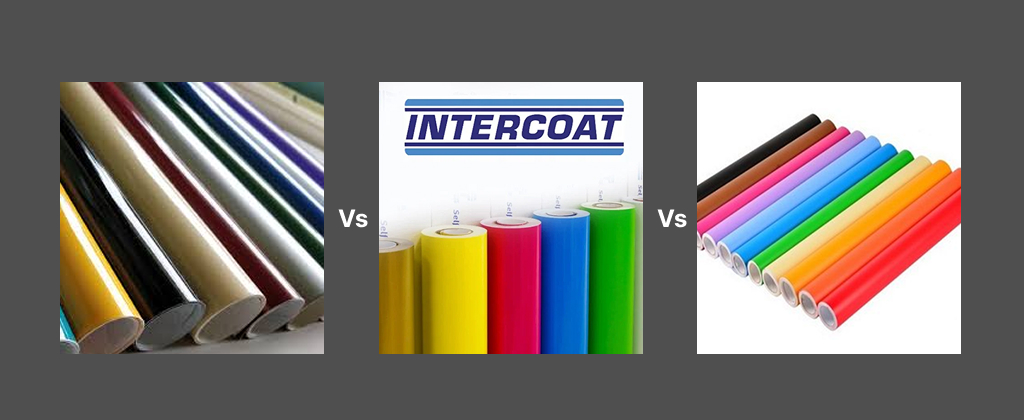
There are various types of sign vinyl in Australia, and choosing the best one depends on aspects such as durability, flexibility, surface type, and where it will be applied. Cast vinyl is known to be the most stable and ideal for complex surfaces. Polymeric vinyl provides a great balance between performance and cost for commercial uses. Monomeric vinyl is ideal for short-term usage on flat surfaces where longevity is not the key issue.
What Are Cast, Polymeric, And Monomeric Vinyl Films, And How Are They Made?
Cast vinyl starts as liquid and it spreads into thin layers and cures slowly. The result is a stable, flexible film that holds its shape well after installation.Polymeric and monomeric vinyl both go through a rolling process instead.
Polymeric films include added agents that improve flex and extend service life. Monomeric films skip most of those agents and suit short-term use only.
For projects needing long-term output, many professionals choose cast vinyl in Australia because of how well it keeps its shape once applied.
Choose The Right Vinyl For Long Lasting Signage Performance
How Does Manufacturing Process Impact Vinyl Performance And Stability?
The production method shapes everything that follows. Cast films carry minimal stress from the making process. They sit flat, conform well, and stay put after application without fighting the surface.
Rolled films are different. Monomeric types hold tension from production. That tension shows up later as shrinkage or lifting at the edges. Heat, sunlight, and moisture all make it worse faster. Businesses sourcing through a reliable provider of signage supplies in Melbourne put manufacturing quality high on the list for this reason alone.
How Do Durability And Lifespan Differ Across Vinyl Types?
Cast vinyl lasts the longest. It holds up well outdoors and under heavy use. Polymeric vinyl sits in the middle and covers most commercial sign work well. Monomeric vinyl suits short runs and temporary graphics only.
Key factors that affect how long any film lasts include the following:
- UV exposure over time.
- Surface movement and thermal expansion.
- Installation quality from the start.
Matching film to expected lifespan cuts swap-out costs and reduces maintenance calls over time.
Which Vinyl Type Works Best For Different Surface Types And Applications?
Surface type decides more than most people think. Cast vinyl bends to curved, textured, and complex surfaces without tension. It follows the shape rather than resisting it. Polymeric vinyl works well on flat and slightly curved surfaces and covers most commercial sign jobs reliably. Monomeric vinyl has hard limits. Flat surfaces only. Short-term use only. Past those limits, it tends to lift and fail.
For applications like perforated window film in Australia, where retail and vehicle windows need advertising and visibility at the same time, how well the film bends to the surface matters a lot. Decorative work using window frosting film in Australia also needs stable films that hold their look as conditions shift.
How Do Shrinkage And Dimensional Stability Affect Long-Term Results?
Shrinkage kills jobs that looked clean on day one. When the vinyl shrinks:
- The film contracts.
- Corners lift.
- Gaps open at edges.
- Graphics go out of line.
Due to this, the sign looks worn long before it should.
Cast vinyl holds its shape best. Its stability rating sits above the other two types. Polymeric films hold up reasonably in mild conditions. Monomeric films shrink fastest under heat and UV. For long-term signage, shape stability beats upfront cost savings every time.
What Role Does Adhesive Quality Play In Vinyl Performance?
A high-quality film on a poor adhesive still fails. Bubbling, lifting, and weak bonds happen when the adhesive does not suit the surface or the conditions. Many installs now use application tape signage in Australia to improve lineups and keep the transfer clean without trapping air.
The surface material and the environment both shape which adhesive works. Indoor smooth glass needs a different adhesive profile from an outdoor textured wall facing heat and rain daily. Getting this wrong undermines even the best film choice.
How Should You Choose The Right Vinyl Based On Project Requirements?
Project length, surface type, and exposure level point to the right film every time. Short-term work suits monomeric vinyl. Long-term branding and outdoor signage need cast films. Early failure costs more than the upfront saving on cheaper material ever delivered.
Projects involving coloured vinyl sign making in Australia also need to account for finish consistency and resistance to colour shift. A film that fades unevenly makes a brand look worse than having no sign at all. Matching a budget to a realistic service life keeps results strong and swap-out costs low.
Match Your Vinyl Type To The Right Application Needs
Conclusion
Knowing the difference between cast, polymeric, and monomeric vinyl helps businesses avoid poor results and get more from every project. Bi-Wize brings over five decades of experience in helping businesses find the best supplies for their work. Get the best quality sign vinyl in Australia from us to ensure professional and long-lasting signage results across every type of project. Contact us today and we will help you find the right solution for your next project.
FAQs
How Do Installation Techniques Influence The Final Outcome Of Vinyl Applications?
Surface prep matters before anything else. A dirty or damp surface causes early lifting no matter how good the film is. Temperature at the time of installation affects how the adhesive bonds. Pressure during application removes air and sets the film clean. Poor technique on a quality film still produces a poor result that is hard to fix after the adhesive sets.
What Environmental Factors Can Impact Vinyl Performance Over Time?
UV breaks down colour and adhesive faster than most people plan for. Moisture works into edges and loosens the bond over time. Heat cycles cause expansion and contraction that stresses the film repeatedly. Pollution adds a layer of grime that degrades the surface. Higher-grade films are built to take these conditions with less visible damage across a longer service life.
How Do Printing Methods Affect The Quality And Longevity Of Vinyl Graphics?
Ink matching to the film type affects how long colour stays true. Poor ink adhesion causes flaking and colour shift before the film itself fails. Curing processes lock the ink into the surface and affect scratch resistance. Getting the print method right for the film in use keeps graphics sharp and in colour across the full service life of the application.
What Maintenance Practices Help Extend The Life Of Vinyl Applications?
Non-abrasive products keep the film surface from scratching. Harsh solvents break down adhesives and cause edge lifting fast. Edges need the most attention because that is where failure starts. Dirt and moisture build up at seams and accelerate damage over time. A regular gentle clean is the single most effective way to extend how long a vinyl application stays looking right.