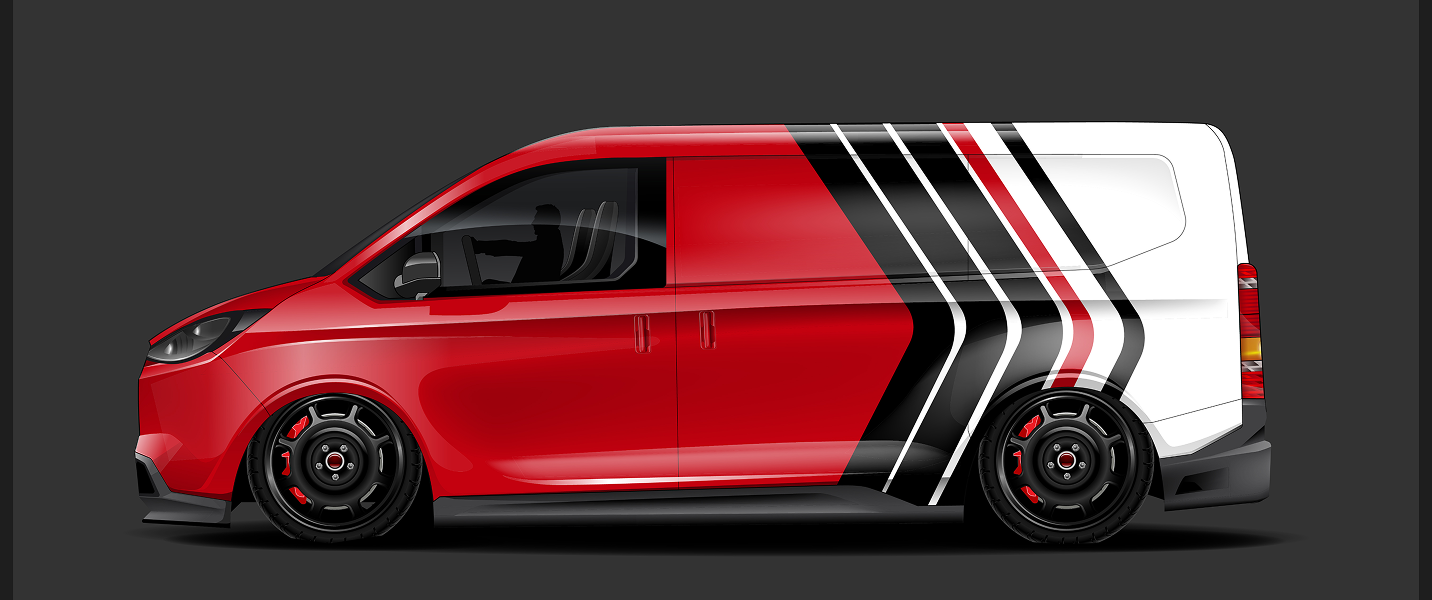
Choosing the wrong vehicle wrap material can result in lifting edges, colour fading, poor adhesion, and expensive rework. Many businesses concentrate on design first, but the vinyl itself is usually what decides how well the finished graphics hold up over time.
Getting the material right involves working through a few practical challenges:
- Matching the vinyl to the vehicle’s shape and the way it’s used day to day.
- Weighing durability against what the project can realistically spend.
- Finding a vinyl that stands up to Australian weather conditions.
- Working out whether a premium material is actually needed for the job.
Businesses sourcing vehicle signage vinyl in Australia need more than a product catalogue. What they need is practical guidance matched to the job at hand. With more than 70 years of supporting Australia’s sign and print industry, Bi-Wize helps sign makers select materials based on installation requirements, vehicle type, and expected service life. This guide sets out what actually matters before you choose vehicle signage vinyl.
Selecting vehicle signage vinyl in Australia comes down to the vehicle itself, the intended lifespan, the installation surface, and the environment the vehicle operates in, rather than price alone. Sign industry suppliers such as Bi-Wize help businesses select suitable materials by matching vinyl specifications to real-world vehicle applications instead of pushing one standard product across every job.
Quick Comparison: Which Vinyl Suits Your Vehicle?
|
Consideration |
Cast Vinyl |
Calendared Vinyl |
|
Best For |
Full vehicle wraps, premium branding, complex applications |
Flat graphics, decals, short to medium-term signage |
|
Complex Curves |
Excellent. Conforms easily to deep curves, recesses, and contours. |
Limited. Better suited to flat or gently curved surfaces. |
|
Flat Panels |
Excellent. Performs well on all flat applications. |
Good. A cost-effective choice for flat panels. |
|
Long Term Stability |
High. Maintains shape and appearance over extended periods. |
Moderate. More prone to shrinkage over time. |
|
Durability |
Designed for long-term outdoor performance. |
Better suited to short or medium-term applications. |
|
Shrinkage Resistance |
Excellent. Minimal dimensional change after installation. |
Moderate. Greater risk of edge shrinkage over time. |
|
Typical Vehicle Applications |
Full wraps, commercial fleets, premium vehicle branding |
Lettering, decals, partial wraps, promotional graphics |
|
Typical Investment |
Higher upfront cost with longer service life |
Lower upfront cost for budget-conscious projects |
Quick takeaway: Cast vinyl tends to be the better choice for full vehicle wraps and complex surfaces, while calendared vinyl usually suits flatter applications and shorter to medium-term projects.
Why Does The Type Of Vehicle Affect The Vinyl You Should Choose?
Different vehicles place different demands on the vinyl. A passenger car, a work ute, and a delivery van each bring their own body shape, panel size, and operating conditions, and all of that feeds into material selection.
Looking at a few vehicle types helps explain why:
- A ute’s body typically mixes painted panels with a tray or canopy attached.
- Vans offer wide, flat panels that make the most of available advertising space.
- Commercial vehicles clock up more road time, which means greater exposure to weather and debris.
Because of this, choosing the right car wrap vinyl should start with the vehicle in front of you, not the artwork that will sit on top of it.
It’s easy to assume a vehicle’s size drives the decision, yet usage pattern often matters more. A delivery van running seven days a week may call for a different material than a privately owned car that spends most of its time parked in a garage.
How Do Cast And Calendared Vinyl Compare For Vehicle Graphics?
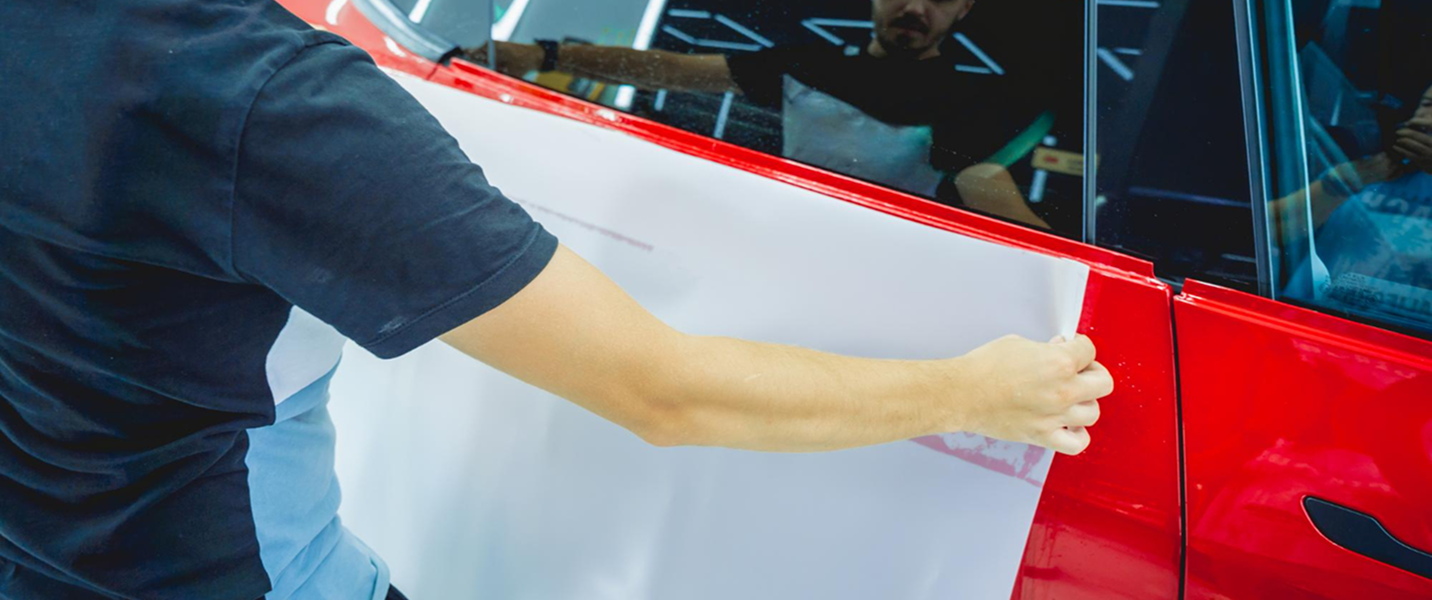
The biggest difference between cast and calendared vinyl lies in the way it’s made, and that impacts flexibility, dimensional stability and long-term performance.
Cast vinyl is made using a casting process which results in a thinner, more stable material that can accommodate complex curves and contours. Calendared vinyl is produced by rolling heated material into sheets so it is a little thicker and generally better suited to flatter surfaces.
If you are comparing the best vinyl for car wraps, you need to look at these practical differences:
- Cast vinyl fits better into curves, recesses and rivets.
- Vinyl cast is less prone to shrinking over time.
- Calendared vinyl is a good choice for flat or slightly curved panels.
- Calendared products are usually a more economical solution for simple applications.
Material cost should never be considered in isolation. The overall installation result will depend on the vinyl and complexity of the vehicle.
What Should You Consider Before Wrapping A Commercial Fleet?
Fleet graphics need consistency just as much as durability. Every vehicle in the fleet should carry the same branding, regardless of its size or where it sits in the replacement cycle.
A few questions are worth working through before materials get locked in:
- What replacement cycle is the fleet likely to follow?
- How many hours a day do the vehicles spend on the road?
- How often will they be washed or cleaned?
- Does the branding need to stay uniform across different vehicle types?
- Are new vehicles likely to join the fleet later on?
Businesses investing in fleet vehicle vinyl in Melbourne tend to focus heavily on what the initial installation will cost. Long-term maintenance rarely gets the same level of attention, though it arguably deserves it during the planning stage.
The vinyl itself is rarely the biggest cost when things go wrong. A vehicle sitting idle waiting for repairs or replacement graphics tends to cost far more, which is why sourcing a material that stays easy to get hold of later makes such a practical difference.
A dependable supplier also helps keep colour consistent between production batches, which matters when new vehicles join a fleet that’s already on the road.
How Do Surface Shape And Daily Vehicle Use Influence Material Selection?
The shape of the surface being wrapped has a direct bearing on how the vinyl performs over time. Flat panels, deep recesses, sharp curves, rivets, and textured surfaces each ask something different of the material.
Consider the following:
- A flat delivery van can accommodate a wider range of materials.
- Curved passenger vehicles generally require more conformable films.
- Commercial utes may include mixed surfaces that call for different installation techniques.
- High-touch areas such as door handles and sliding doors experience greater wear.
The choice of van wrap vinyl should also reflect how the vehicle spends its day. A car parked indoors for most of its life faces very different conditions to one that’s out in constant UV, rain, road debris, and frequent washing.
Cleaning habits, oddly enough, can shorten a wrap’s life more than most buyers expect. Frequent pressure washing, harsh chemicals, and abrasive tools can wear down even premium vinyl when they’re used incorrectly.
How Can You Avoid Common Material Selection Mistakes?
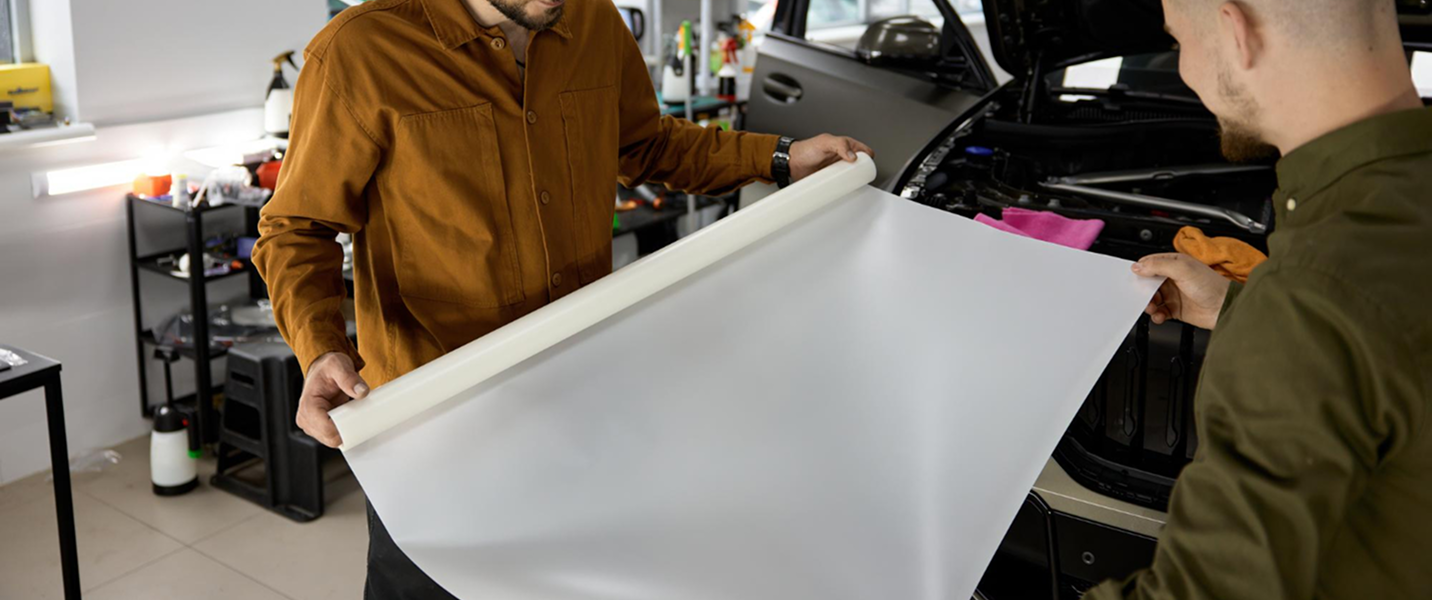
Most wrap failures trace back to the wrong material being picked for the job rather than any fault sitting in the vinyl itself.
A handful of mistakes tend to come up again and again:
- Selecting economy vinyl for complex vehicle curves.
- Ignoring the expected lifespan of the graphics.
- Choosing material based solely on purchase price.
- Overlooking compatibility with protective laminates.
- Failing to plan for future repairs or partial replacements.
When selecting ute signage material, it pays to look past installation day. Years of weather exposure, daily driving, and routine maintenance will all leave their mark eventually.
Colour consistency is another detail worth planning for early. Projects finished months apart may need materials pulled from the same product range to keep the look uniform across a fleet.
How Do You Choose A Reliable Supplier For Vehicle Signage Vinyl?
A good supplier offers more than stock sitting on a shelf. They help sign makers pick materials suited to the actual project rather than pushing the same product for every application.
A reliable supplier should be able to offer the following:
- Consistent stock availability.
- Technical product guidance.
- Reliable delivery.
- Commercial quantity support.
- Access to recognised vinyl brands.
Experienced suppliers understand that successful vehicle graphics start with getting the material choice right. They guide installers through durability, conformability, finish, and intended use, which helps avoid the kind of costly specification errors that surface only after production has begun.
Conclusion
Choosing the right vehicle signage vinyl in Australia takes more than picking a colour or finish. Vehicle type, surface complexity, expected lifespan, operating conditions, and ongoing maintenance all play into long-term performance and overall project value.
For businesses sourcing vehicle signage vinyl, working with an experienced industry supplier makes material selection far simpler and sets up better installation outcomes. With decades of experience serving Australia’s sign and print industry, Bi-Wize helps customers find products that match what their project actually needs. If you’re planning your next vehicle graphics job, get in touch with the Bi-Wize team and choose your materials with confidence.
FAQs
Can Different Vinyl Products Be Used On The Same Vehicle?
Yes. Often, professional installers will mix different vinyl products on a single vehicle. The split usually comes down to design requirements and how long the graphics are expected to last. One material might cover the flat graphics while a second covers the complex curves or specialised sections.
Does Paint Condition Affect Vehicle Wrap Performance?
Yes. Vinyl adheres best to clean, well maintained factory paint. Any existing paint damage, corrosion, poor quality repairs or peeling clear coats can all affect adhesion and the final finish. Checking the vehicle’s condition prior to installation helps to prevent premature wrap failure.
Can Damaged Sections Of A Vehicle Wrap Be Replaced Individually?
In many cases, yes. Individual panels can often be swapped out without rewrapping the whole vehicle. That said, colour variation caused by weathering or print batch differences can make the new section stand out, particularly on older wraps that have spent plenty of time under Australian sun.
How Long Should A Vehicle Rest Before Washing After Installation?
Most installers recommend giving the adhesive enough time to bond properly before the first wash. The exact wait depends on the vinyl manufacturer and the installation conditions, but skipping an early wash goes a long way toward stronger long-term adhesion.